

Visionary Voices

Visionary Voices is philanthropy.org’s editorial forum for serious ideas, hard-earned lessons, and informed perspectives shaping the future of philanthropy. It is a place for practitioners, leaders, and thinkers to examine what works, what doesn’t, and why.

Contributions explore strategy, governance, donor engagement, ethics, and the structural forces influencing philanthropy today. Articles are grounded in experience, analysis, and reflection—not promotion.

If you’ve developed insight through practice, research, or leadership, we welcome thoughtful submissions that advance credible dialogue and long-term thinking in the field.

Browse by Topic
Smiling financial advisor discussing philanthropic planning with a client in a bright, modern office setting.

Advisors, Philanthropy, and Donor Perceptions: Why Advisors Must Embrace the Shift

As donor expectations evolve, today’s philanthropists are seeking more from their financial advisors—beyond tax advice. They want strategic, values-aligned giving plans that include family, legacy, and impact. With over $84 trillion expected to transfer across generations by 2045, advisors who understand charitable tools like planned giving and donor-advised funds are well-positioned for growth. Learn how integrating philanthropy into your financial planning services isn’t just good ethics—it’s smart business.

Read More »
Woman planning her will on a tablet standing up

Rethinking Will Planners: How Estate Planning Tools Can (and Should) Support Philanthropy

Most will tools are built for transactions, not legacies. LegacyPlanner™ redefines estate planning by integrating it into the donor journey—educating, inspiring, and deepening engagement along the way. It’s not just about creating documents; it’s about creating impact. As philanthropy evolves, so must our tools. LegacyPlanner™ offers a glimpse into how estate planning can become a central part of donor-centric fundraising strategies.

Read More »
A human hand reaching toward a digital hand made of circuit board patterns — illustrating the gap between donors and nonprofits when technology controls the relationship

Who Owns the Relationship

A donor uses a third-party platform on your website to add you to their will. You get a notification. The platform gets the data, the communication channel, and the relationship. When that donor has a question six months later, they call the platform — not you. This is a Platform-Owned Relationship, and it means the most valuable donors in your pipeline belong to a vendor, not your organization.

Read More »
How blockchain and crypto can make philanthropy more efficient

The Future of Multiplicative Giving: How AI, Data, and Collective Philanthropy Will Reshape Impact

Philanthropy is shifting from isolated donations to multiplicative giving, where every dollar generates exponential impact. AI-driven philanthropy enhances decision-making, big data enables real-time impact tracking, and blockchain ensures radical transparency. Donor collaboratives further amplify change by pooling resources for systemic solutions. As technology transforms giving, the future belongs to those who embrace data-driven, strategic philanthropy. Are you ready to maximize your impact?

Read More »
Illustration of fundraiser with "jargon nonprofit speak" confuses couple

Say What? Stop Using These Words!

Nonprofit jargon is a surefire way to lose donors. Too often, fundraisers either get lost in technical language or lean on overused buzzwords that mean little to the average supporter. Phrases like “making a difference” or “impactful” are vague and uninspiring—donors want specifics. Instead of empty jargon, use clear, engaging language that shows exactly how their gift helps. The right words can transform your appeals, strengthen connections, and ultimately drive more meaningful support for your mission.

Read More »
Illustartion of couple doing an acrobatic maneuver where trust is involved in the transaction

The Heroic Donation Audience in Primal Fundraising: I Need a Hero!

Fundraising isn’t about transactions—it’s about relationships, and the most transformational gifts emerge from an ancient instinct: friendship reciprocity. Donors don’t just give; they form alliances with organizations that reflect their values, understand them personally, and offer a trusted community. Successful fundraisers aren’t salespeople; they’re relationship-builders with high emotional intelligence and an intuitive grasp of donor motivations. Charities that act as steadfast allies—showing up in moments of need and fostering deep connections—unlock heroic giving. In that moment, the donor isn’t just giving; they’re making a statement about their legacy and trust.

Read More »
A cracked ceramic bowl repaired with gold in the Japanese kintsugi tradition — a metaphor for legacy societies with hidden fractures that need attention

Is Your Legacy Society Leaking?

Most nonprofits track how many legacy society members they add. Almost none track how many they lose — not to death, but to neglect. Donors who quietly update their estate plans and remove you. No notification, no warning, no exit form. And the platforms counting your bequest “intentions”? They’re not measuring retention either. They’re measuring sign-ups. That’s not a pipeline — it’s a wish list. Your legacy society isn’t growing. It’s leaking.

Read More »
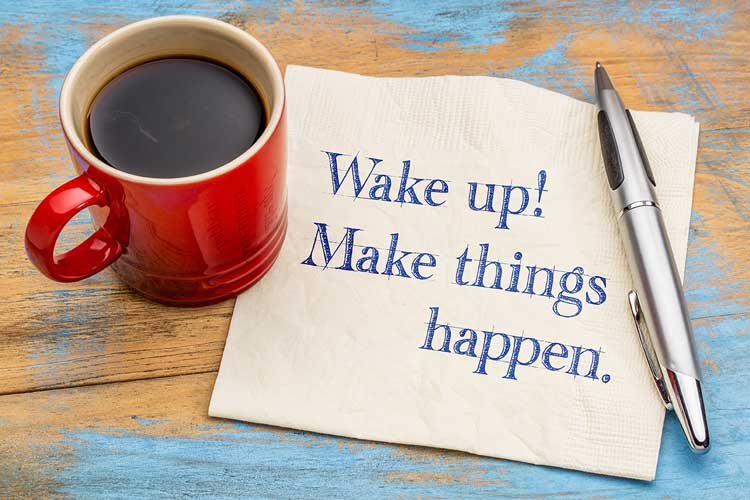
An image of black coffee in a red mug, sitting on a napkin that has "Wake up! Make things happen." written on it, to illustrate a blog post about nonprofits facing a $65 Billion giving decline.

A $65 Billion Wake-Up Call for Nonprofits: Why Donors Are Pulling Back

Nonprofit giving has declined by $65 billion since 2021, a staggering number influenced by multiple factors. Economic challenges like inflation and market volatility contribute, but there’s also a deeper crisis of confidence among major donors. Some feel that nonprofits, especially in higher education, no longer align with their values, leading to hesitation in giving. Additionally, the rise of presentism—judging historical figures by today’s standards—has led institutions to remove donor names from buildings, further eroding trust.

Read More »
Two candles with an open book in memoriam conveying wisdom

Honoring the Legacy of Planned Giving Pioneers While Shaping the Future

The planned giving community has lost two giants—Roger Schoenhals and Lindsay Lapole—whose contributions shaped the profession for generations. Roger, founder of Planned Giving Today, provided invaluable insights into the practice of planned giving, while Lindsay’s leadership at the ACGA strengthened governance and education in charitable gift annuities. Their legacies live on through the professionals they mentored and the programs they established. In recent years, we also lost Deb Ashton and Robert Sharpe—both dear to my heart and pillars of our field.

Read More »
>