ARCHIVES

Donor Psychology & Engagement

Why do people give—and why do they stop? Donor motivation isn’t guesswork; it’s psychology, behavior, and relationship-building. This category examines what drives generosity, how meaningful connections are formed, and why stewardship isn’t a courtesy—it’s a strategy.

Browse by Topic

Stop Cleaning Your Email List of “Unengaged” Subscribers

Whether you’re a community foundation sharing grant outcomes, a nonprofit reporting program results, or a university connecting scholarship donors to students, the moment your donor hears from or about the person their money reached is rarely given the strategic attention it deserves.

Read More »

The Letter That Keeps Them Giving  

Whether you’re a community foundation sharing grant outcomes, a nonprofit reporting program results, or a university connecting scholarship donors to students, the moment your donor hears from or about the person their money reached is rarely given the strategic attention it deserves.

Read More »
EKG heart-rate line transitioning from chaotic spikes to a steady pulse, illustrating recurring giving and donor retention.

Fundraising’s Acute-Care Problem — and the Cure

For decades the nonprofit sector optimized for the first gift. We mastered the handshake. But sustainable fundraising depends on what follows. The GIVE Framework — Gratitude, Impact, Voice, Engagement — argues that recurring giving is not a payment mechanism but an identity shift, built through consistency rather than urgency. From a physician-run foundation that converted a majority of donors to recurring giving without staff or overhead. A clear-eyed account of where the model works, and where it doesn’t.

Read More »
Two hands reaching toward each other, meeting in warm light — the moment of human connection.

The GIVE Arc

What moves people to give isn’t a well-crafted ask. It’s everything that came before it. The GIVE Study — conducted by GOSUMEC Foundation USA — found that donors who moved through four stages of relationship: Gratitude, Impact, Voice, and Engagement, gave more, gave deeper, and brought others with them. The ask was the last step, not the first. Relationships convert. Campaigns exhaust. This is the science behind why.

Read More »
Faucet slowly leaking water

Your Bequest Pipeline Has a Leak You Can’t See

Donor-advised funds now hold over $251 billion in assets — and wealthy donors are increasingly routing legacy gifts through DAFs instead of direct bequests. When that happens, your organization moves from confirmed allocation to discretionary intent. You lose visibility. You lose influence. And revocations happen quietly, inside estate documents you were never invited to review. The bequest isn’t dying. It’s being restructured around you. The question is whether you’re inside that structure — or outside it.

Read More »
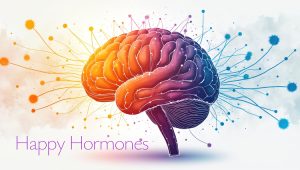
Colorful brain illustration representing dopamine, oxytocin, and the neuroscience of generosity with neural connections radiating outward.

Neuro-Philanthropy: From Dopamine to Oxytocin

Philanthropy has mastered urgency — the dopamine-fueled rush of campaigns and instant action — but sustainable giving requires something deeper: relationship. Neuroscience shows that while dopamine sparks generosity, oxytocin sustains it by building trust, belonging, and identity. When nonprofits move beyond transactions and cultivate connection, donors shift from one-time givers to long-term partners — and ultimately to legacy supporters. The future of philanthropy lies not in louder appeals, but in nurturing relationships that endure and compound over time.

Read More »

When Ancient Wisdom Meets Modern Giving

Ancient Indian traditions and modern behavioral science share surprising parallels in how they inspire generosity. At GOSUMEC Foundation USA, we unite these wisdom streams into an East–West Behavioral Philanthropy Framework—blending identity-based giving, stewardship, and transparency with proven donor retention strategies. Our zero-overhead, trust-based model funds perpetual scholarships while achieving donor retention rates far above the nonprofit average, offering a blueprint for sustainable, scalable philanthropy built to last.

Read More »
Woman holding money with a mask trying to convey preventing allergy

Money Allergy

Fundraisers often suffer from a “money allergy.” When terms like “capital gains” or “charitable trusts” arise, the conversation shifts to emotional stories instead. But serious donors don’t think in anecdotes—they think in assets, taxes, and leverage. Until fundraisers speak that language, major gifts remain out of reach. A story without math is fluff. A story with math is a check. Philanthropy’s cure starts with financial fluency.

Read More »

The Seton Society: How We Built Real Relationships with Major Donors

At St. Vincent Hospital, the Seton Society transformed major donor relations by engaging members year-round, not just thanking them. Each quarter offered unique experiences: elegant dinners with personalized gifts and speakers, volunteer opportunities, educational sessions, and surprise family events. A rotating planning committee kept ideas fresh. Recognition plaques, recruitment efforts, and volunteer awards deepened involvement. Many donors later joined the Foundation Board, proving genuine relationships outlast any single gift.

Read More »
>