

Doable, Durable, Desirable: Redesigning Nonprofit Leadership

An image of sculptor of clay which is Doable, Durable, Desirable: Redesigning Nonprofit Leadership.

In Brief

A leadership crisis is hitting the nonprofit sector: veterans are retiring, and few want their jobs. Burnout, dysfunction, and weak succession planning have made top roles undesirable. The solution isn’t another search—it’s a redesign. Leadership must become doable, durable, and desirable: realistic workloads, real support, and roles people actually want. The future belongs to organizations bold enough to rebuild leadership itself.
Reading Time: 2 minutes

With a generation of leaders exiting and fewer aspiring to take their place, nonprofit boards and execs must act decisively to develop roles people aspire to.

With a generation of leaders exiting and fewer aspiring to take their place, nonprofit boards and execs must act decisively to develop roles people aspire to.

Whispered at networking events and reflected in the faces of burned-out executives is the same exhausted sentiment: “I’ve created a role no one else wants. I’m planning to retire in two years, but no one else is excited to take it up.”

This is a warning for our nonprofit sector.

A Wave of Retiring Leaders

Estimates suggest that up to 75% of nonprofit leaders, especially those in the baby boomer generation, expect to leave their positions within the next five to ten years (Building Movement Project).

2025 has seen nonprofit CEO departures surge to record levels, with increases as high as 15% over last year in some locales (Kittleman). Retirement and the lingering impacts of pandemic-driven burnout have accelerated these decisions, leaving boards scrambling to respond but finding the searches for replacements difficult to achieve.

The “Unwanted Role” Problem

The whisperers are correct. Fewer people want the top job.

Survey data shows declining interest in becoming a nonprofit Executive Director, with a growing number of nonprofit staff saying they have no interest at all in the top role (Building Movement Project).

Why?

    • The job is seen as incompatible with any kind of work/life balance.

    • The responsibilities, as designed, are overwhelming.

    • The work itself often feels defined more by dysfunction than by opportunity.

It’s no wonder that burnout is the top reason current leaders cite for leaving.

At the same time, our sector’s systemic underinvestment in nonprofit leadership development means there is rarely a “bench” of ready talent, even if they wanted the top spot.

And despite knowing the scale of what is coming, only 29 percent of nonprofit organizations have a written succession plan (BoardSource).

What can be done to reverse these trends?

Make the Top Job Doable, Durable, and Desirable

Instead of lamenting a role that’s hard to fill, nonprofit executives and boards should view this as a chance to reimagine what leadership looks like. Instead of chronic overwork, scarcity budgeting, and the vague mandates that have made executive roles unappealing, sector leaders can redesign the role for sustainability, growth, and even joy.

    • Doable: invest in staff and systems so the role isn’t defined by overload.

    • Durable: support nonprofit leaders through strong governance, coaching, and models like co-leadership or intentional partnerships.

    • Desirable: Build cultures that also serve the people doing the work, ensure compensation matches responsibility, and build growth within and across all roles.

Nonprofit leadership transitions will define our sector in the coming decade. If we act with foresight, we can direct this looming wave of exits toward a revitalizing sea change and create executive leadership roles that are sustainable, supported, and worth aspiring to.
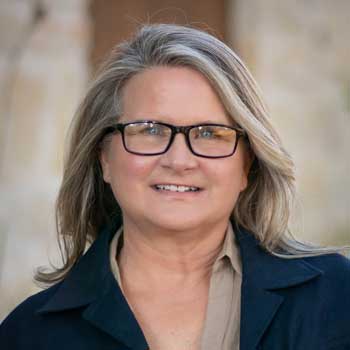

  • Rebecca White brings two-plus decades of nonprofit leadership experience as an executive director, program director, board member, and fundraiser to her consulting work. She has led change, launched successful programs, and raised millions. Today, she equips nonprofit leaders to lead well, leave well, and manage transition with confidence.

    View all posts

Browse by Topic

Colored open hand illustration

Seeking Visionary Voices

We occasionally publish thoughtful perspectives from practitioners and researchers shaping the future of philanthropy.

Learn about contributing.

Related Posts

Man standing at a forest crossroads symbolizing reevaluation and change

Time to Move On – The Reason Relationships End

Most relationships don’t end in drama. They erode quietly as priorities shift, leadership changes, and implicit contracts expire. Longevity is not proof of alignment. Sometimes what feels like betrayal is simply evolution. The real mistake isn’t moving on—it’s pretending nothing changed while the cost of staying continues to rise.

Read More »

The Authenticity Imperative: Lessons from Bad Bunny’s Super Bowl Performance

Bad Bunny’s Super Bowl performance illustrates the power of authenticity. In health research and advocacy, honoring language, culture, and community values leads to stronger trust, better data, and improved outcomes. Studies on culturally tailored diabetes programs confirm this impact. Communities must be partners, not subjects. Funders must support inclusive, community-driven research to sustain meaningful progress.

Read More »
Faucet slowly leaking water

Your Bequest Pipeline Has a Leak You Can’t See

Donor-advised funds now hold over $251 billion in assets — and wealthy donors are increasingly routing legacy gifts through DAFs instead of direct bequests. When that happens, your organization moves from confirmed allocation to discretionary intent. You lose visibility. You lose influence. And revocations happen quietly, inside estate documents you were never invited to review. The bequest isn’t dying. It’s being restructured around you. The question is whether you’re inside that structure — or outside it.

Read More »

Action Creates Confidence: Why Nonprofit Leaders Must Ask Before They FEEL Ready

Nonprofits don’t stall because of bad missions or weak strategy. They stall because leaders are afraid to ask. Research shows most executives understand fundraising—but freeze when it’s time to execute. Donors want to give. Leaders hesitate. The breakthrough isn’t more training. It’s action. Confidence follows behavior, not the other way around. Ask first. Feel ready later.

Read More »
>