Author: Russell James III, Ph.D., J.D., CFP®

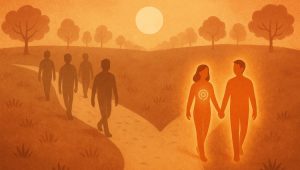
Two radiant figures walk a giving path, symbolizing shared identity, community, and philanthropy inspired by example and legacy.

People Like Me Make Gifts Like This! (Social Norms in Primal Fundraising)

Primal Fundraising” explores how identity, social norms, and storytelling drive charitable giving. Drawing from behavioral science, myth, and experiments, it shows that donors are most influenced by examples of “people like me” making gifts. These identity-aligned examples activate a donor’s sense of belonging, challenge, and transformation—mirroring the universal hero’s journey. Whether through small gifts or major donations, social proof and shared identity compel action. The takeaway: storytelling and similarity are powerful tools to inspire meaningful, lasting philanthropy.


Read More »
Illustartion of couple doing an acrobatic maneuver where trust is involved in the transaction

The Heroic Donation Audience in Primal Fundraising: I Need a Hero!

Fundraising isn’t about transactions—it’s about relationships, and the most transformational gifts emerge from an ancient instinct: friendship reciprocity. Donors don’t just give; they form alliances with organizations that reflect their values, understand them personally, and offer a trusted community. Successful fundraisers aren’t salespeople; they’re relationship-builders with high emotional intelligence and an intuitive grasp of donor motivations. Charities that act as steadfast allies—showing up in moments of need and fostering deep connections—unlock heroic giving. In that moment, the donor isn’t just giving; they’re making a statement about their legacy and trust.

Read More »
Sign that reads "it's all about relatioships."

The Power of Relationships in Fundraising: Why ‘I’m With Them’ Matters

Fundraising is about relationships, not transactions. Dr. Russell James, in The Primal Fundraiser, explains how donor psychology is driven by two key principles: subjective similarity (“I’m like them!”) and reciprocal alliances (“I’m with them!”). Donors give more when they feel a deep connection—not just support, but true belonging. Fundraisers can foster this by using identity-driven storytelling, inclusive language, and recognition that makes donors feel like partners. When donors shift from giving to belonging, they commit for life, leading to larger and longer-lasting gifts. Strengthen relationships, and you’ll strengthen giving.

Read More »
Community

The Power of Community in Primal Fundraising: I’m Not Just Giving, I’m Sharing!

Imagine this: You’re not just writing a check—you’re building something bigger. Giving feels like handing something away, distant and one-sided. But sharing? Sharing connects us. It makes us part of a community, part of a story, part of each other’s lives. This isn’t just about fundraising; it’s about belonging. In this piece, you’ll discover how asking people to share—not just give—can inspire deeper connections, lasting generosity, and a stronger sense of purpose.

Read More »
>