ARCHIVES

Donor Psychology & Engagement

Why do people give—and why do they stop? Donor motivation isn’t guesswork; it’s psychology, behavior, and relationship-building. This category examines what drives generosity, how meaningful connections are formed, and why stewardship isn’t a courtesy—it’s a strategy.

Browse by Topic
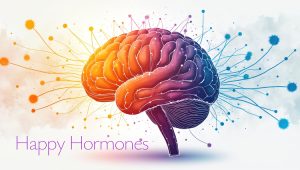
Colorful brain illustration representing dopamine, oxytocin, and the neuroscience of generosity with neural connections radiating outward.

Neuro-Philanthropy: From Dopamine to Oxytocin

Philanthropy has mastered urgency — the dopamine-fueled rush of campaigns and instant action — but sustainable giving requires something deeper: relationship. Neuroscience shows that while dopamine sparks generosity, oxytocin sustains it by building trust, belonging, and identity. When nonprofits move beyond transactions and cultivate connection, donors shift from one-time givers to long-term partners — and ultimately to legacy supporters. The future of philanthropy lies not in louder appeals, but in nurturing relationships that endure and compound over time.


Read More »

When Ancient Wisdom Meets Modern Giving

Ancient Indian traditions and modern behavioral science share surprising parallels in how they inspire generosity. At GOSUMEC Foundation USA, we unite these wisdom streams into an East–West Behavioral Philanthropy Framework—blending identity-based giving, stewardship, and transparency with proven donor retention strategies. Our zero-overhead, trust-based model funds perpetual scholarships while achieving donor retention rates far above the nonprofit average, offering a blueprint for sustainable, scalable philanthropy built to last.

Read More »
Woman holding money with a mask trying to convey preventing allergy

Money Allergy

Fundraisers often suffer from a “money allergy.” When terms like “capital gains” or “charitable trusts” arise, the conversation shifts to emotional stories instead. But serious donors don’t think in anecdotes—they think in assets, taxes, and leverage. Until fundraisers speak that language, major gifts remain out of reach. A story without math is fluff. A story with math is a check. Philanthropy’s cure starts with financial fluency.

Read More »

The Seton Society: How We Built Real Relationships with Major Donors

At St. Vincent Hospital, the Seton Society transformed major donor relations by engaging members year-round, not just thanking them. Each quarter offered unique experiences: elegant dinners with personalized gifts and speakers, volunteer opportunities, educational sessions, and surprise family events. A rotating planning committee kept ideas fresh. Recognition plaques, recruitment efforts, and volunteer awards deepened involvement. Many donors later joined the Foundation Board, proving genuine relationships outlast any single gift.

Read More »
Guests mingle at an elegant nonprofit gala under warm string lights, embodying a spirit of connection and intentional hospitality. When nonprofit events lead with hospitality, we move from transactions to transformations; build relationships; and embrace missions.

Unreasonable Hospitality: Transforming Nonprofit Events from Fundraisers to Movement Builders

When donors begin their estate planning journey on your website, they stay within your secure, branded ecosystem. No redirects to third-party vendors. No loss of control over sensitive donor data. We own PlannedGiving.org—the domain trusted by donors, attorneys, and financial advisors nationwide. Your custom URL (yourname.plannedgiving.org) keeps your brand front and center, unlike typical vendor URLs that bury your identity (vendor.com/yourname). Every detail matters when building donor trust and protecting your brand equity throughout the planned giving process.

Read More »
Two radiant figures walk a giving path, symbolizing shared identity, community, and philanthropy inspired by example and legacy.

People Like Me Make Gifts Like This! (Social Norms in Primal Fundraising)

Primal Fundraising” explores how identity, social norms, and storytelling drive charitable giving. Drawing from behavioral science, myth, and experiments, it shows that donors are most influenced by examples of “people like me” making gifts. These identity-aligned examples activate a donor’s sense of belonging, challenge, and transformation—mirroring the universal hero’s journey. Whether through small gifts or major donations, social proof and shared identity compel action. The takeaway: storytelling and similarity are powerful tools to inspire meaningful, lasting philanthropy.

Read More »
People collaboratively nurturing and tending a flourishing garden, symbolizing humble stewardship through caring cultivation rather than control

Stewardship: More Than You Realized

The author argues that true stewardship requires humility and self-awareness, not just good management skills. Many stewardship efforts remain transactional rather than transformational due to lack of humility. The solution involves self-stewardship through 15 attributes of humility, including being teachable, correctable, and focused on helping others succeed. A donor-centric approach requires genuine curiosity about donors’ passions and motivations. Effective stewardship involves asking better questions, deep listening, and building meaningful relationships. Ultimately, stewardship isn’t about money or control—it’s about love and compassionate service to others.

Read More »
Illustartion of couple doing an acrobatic maneuver where trust is involved in the transaction

The Heroic Donation Audience in Primal Fundraising: I Need a Hero!

Fundraising isn’t about transactions—it’s about relationships, and the most transformational gifts emerge from an ancient instinct: friendship reciprocity. Donors don’t just give; they form alliances with organizations that reflect their values, understand them personally, and offer a trusted community. Successful fundraisers aren’t salespeople; they’re relationship-builders with high emotional intelligence and an intuitive grasp of donor motivations. Charities that act as steadfast allies—showing up in moments of need and fostering deep connections—unlock heroic giving. In that moment, the donor isn’t just giving; they’re making a statement about their legacy and trust.

Read More »
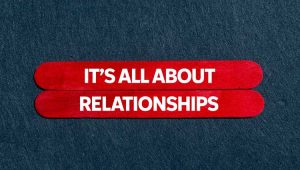
Sign that reads "it's all about relatioships."

The Power of Relationships in Fundraising: Why ‘I’m With Them’ Matters

Fundraising is about relationships, not transactions. Dr. Russell James, in The Primal Fundraiser, explains how donor psychology is driven by two key principles: subjective similarity (“I’m like them!”) and reciprocal alliances (“I’m with them!”). Donors give more when they feel a deep connection—not just support, but true belonging. Fundraisers can foster this by using identity-driven storytelling, inclusive language, and recognition that makes donors feel like partners. When donors shift from giving to belonging, they commit for life, leading to larger and longer-lasting gifts. Strengthen relationships, and you’ll strengthen giving.

Read More »
>