Author: Sanjay Bindra

Young Indian student carrying notebooks and backpack on rural road

They Outscored 2 Million Students. Their Families Earn $1,100 a Year.

In 2025, 42 students earned medical scholarships through one of the toughest need-and-merit screens anywhere. Median family income: $1,102 a year. Median exam rank: top 0.25% of over two million test-takers. These are students who studied under kerosene lamps, commuted hours to reach coaching centers, and still outperformed nearly everyone. Without support, their families face impossible choices—sell land, take predatory loans, or watch talent go to waste. The scholarship doesn’t just help. It prevents harm before it happens.


Read More »
Relay baton handoff symbolizing the Pay It Forward Covenant—scholars becoming future supporters

A Blueprint for Diaspora Philanthropy

Most diaspora philanthropy fails in predictable ways: overhead bloat, mission drift, no way to verify impact, and a trust gap between donors abroad and beneficiaries on the ground. The GOSU-FFE Scholarship model was built to avoid all of them. GOSUMEC Foundation USA partners with Foundation for Excellence—India’s largest administrator of need-and-merit professional scholarships—to fund medical students at one of India’s most respected public medical institutions. The structure rests on three pillars: 100% impact giving, radical transparency, and trusted local execution.

Read More »
Calm workspace overlooking an autumn forest through a large window, symbolizing transparency, clarity, and strong nonprofit governance

How Zero-Staff Governance Built a $2M+ Endowment

Small nonprofits don’t need staff or scale to achieve big-institution results. The GOSUMEC Foundation USA built a $2M+ endowment with 95% donor retention and zero campaigns by combining identity-centered community design, disciplined governance, and radical transparency. Its ICCO™ model turns donors into co-owners, while the GIVE cycle converts gratitude and voice into recurring support. Governance—not overhead—became the infrastructure, proving trust is the ultimate operating system for small nonprofits.

Read More »
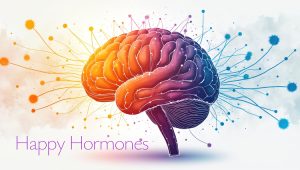
Colorful brain illustration representing dopamine, oxytocin, and the neuroscience of generosity with neural connections radiating outward.

Neuro-Philanthropy: From Dopamine to Oxytocin

Philanthropy has mastered urgency — the dopamine-fueled rush of campaigns and instant action — but sustainable giving requires something deeper: relationship. Neuroscience shows that while dopamine sparks generosity, oxytocin sustains it by building trust, belonging, and identity. When nonprofits move beyond transactions and cultivate connection, donors shift from one-time givers to long-term partners — and ultimately to legacy supporters. The future of philanthropy lies not in louder appeals, but in nurturing relationships that endure and compound over time.

Read More »

When Ancient Wisdom Meets Modern Giving

Ancient Indian traditions and modern behavioral science share surprising parallels in how they inspire generosity. At GOSUMEC Foundation USA, we unite these wisdom streams into an East–West Behavioral Philanthropy Framework—blending identity-based giving, stewardship, and transparency with proven donor retention strategies. Our zero-overhead, trust-based model funds perpetual scholarships while achieving donor retention rates far above the nonprofit average, offering a blueprint for sustainable, scalable philanthropy built to last.

Read More »
>