Issue 18 | GIVING magazine
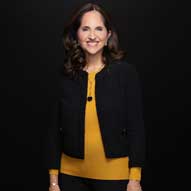
By Diane Charness,
Managing Partner, Global Nonprofit and Social Impact Practice, DHR Global
What is your process when interviewing executive-level candidates? What strengths do you look for?
Fundraising as a career is a unique field. To best assess fit for executive-level candidates, I look for several factors including progressively more responsible positions, tenure of at least four-plus years in most roles, and breadth and depth of experience in the most important of the development disciplines: major and principal gifts and planned and institutional giving. I also assess their sophistication in using data to drive growth and performance, and the persistence to weather the many obstacles and twists and turns inherent in chief development officer roles.
What one thing could the fundraising industry do to reduce turnover and strengthen leadership retention?
In my opinion, it’s time to embrace bonuses in the fundraising profession and use them to motivate, reward, and retain top performers and leaders. The Association of Fundraising Professionals modified their guidance years ago, providing advice on how best to broaden the metrics used to evaluate success beyond the measure of dollars raised, thus removing the potential of conflicts of interest. Examples include volume of activity, growth of qualified prospect lists, contributions to the development of best practices and more.
What are the most common deficits you see among executive-level candidates?
Many skills and attributes contribute to a top fundraising leader’s success. It surprises me when a candidate does not have a strategic orientation and a data mindset where h/she uses data to scale growth. These are two critical attributes that contribute to success.
What suggestions do you have to correct those deficits?
Additional education and training is a must for advancing fundraising leaders. I suggest enrolling in an executive education MBA degree program or a certificate program in Fundraising Leadership Training. Look for ones that promote leadership training.
What is the most difficult position to fill, and why?
Both annual giving and planned giving roles are challenging to fill. The “glory” is perceived to be more in major gifts fundraising, but in reality, annual giving serves a critical function of building the pipeline. It is difficult to find “career” annual giving officers and leaders who will continue to grow annual programs as most want to advance into the larger gifts. Planned giving leadership roles are also challenging because there are not enough fundraisers with the technical expertise. With a goal of 60% of gifts coming from deferred giving, these are critical contributors, but few possess the needed legal, financial planning, and other expertise.
Issue 18 | GIVING magazine